
Top 6 Platforms for Reducing Go-Live Support Requests After Software Launches
There is a moment that arrives in almost every software project. The launch is complete. The emails have been sent. The implementation partner moves on to the next engagement. Leadership congratulates the project team.
Then the tickets start appearing. Some are expected. Others are surprisingly basic. How do I create a record? Where did this field go? Why can’t I find this customer? Which process should I follow? A few requests are harmless. Hundreds of them create a different problem.
Support teams become overwhelmed. Managers stop focusing on their actual work. Subject matter experts spend their days answering the same questions instead of helping the business move forward.
Most organizations treat this as an unavoidable part of go-live. It isn’t. The volume of post-launch support requests often depends less on the software itself and more on how easily users can find answers without contacting another human being.
That is where adoption platforms, process documentation tools, and workflow guidance solutions have started playing a larger role.
Why Support Volumes Spike After Go-Live
People rarely struggle because they have completely forgotten their training. More often, they remember enough to start but not enough to finish.
A workflow changes slightly. A screen looks different from what was expected. A decision requires information that they cannot remember. Rather than risk making a mistake, they ask for help.
The behavior makes sense. The problem is scale. What feels like a small interruption for one employee becomes a major operational burden when hundreds of users encounter the same uncertainty.
Organizations that reduce support requests effectively tend to focus on one thing: making answers easier to access than support teams.
Where Different Platforms Fit
The tools below approach post-launch support from different directions. Some focus on workflow guidance. Others emphasize process documentation, analytics, or embedded knowledge delivery.
| Platform | Primary Focus | Common Use Case |
| Tango | Process guidance and documentation | Software rollout support |
| WalkMe | Enterprise digital adoption | Large transformation programs |
| Whatfix | In-app workflow assistance | Enterprise software environments |
| Spekit | Embedded knowledge delivery | CRM and operations teams |
| Guidde | Visual process documentation | Internal knowledge sharing |
| Stonly | Interactive guidance | Support and service workflows |
1. Tango
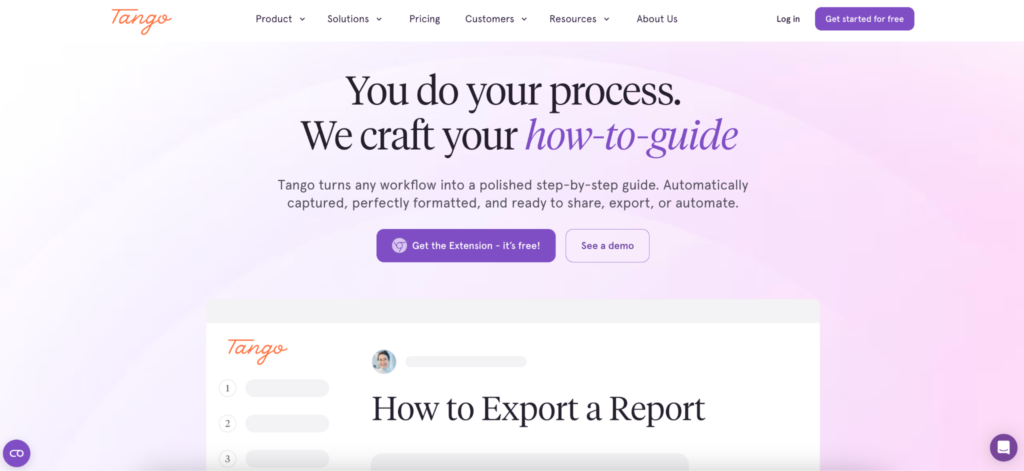
Many support tickets are not actually support issues. They are documentation issues. An employee needs a reminder. A new hire has never completed the process before. Someone encounters an exception that was never covered during training. The challenge is rarely finding the answer. The challenge is finding it quickly enough.
Tango focuses on helping organizations capture workflows and turn them into practical guidance employees can use while working. Instead of searching through folders, knowledge bases, or old training materials, users can access step-by-step instructions connected to the task itself.
This tends to be especially useful after launches involving Salesforce, Oracle, NetSuite, Workday, and similar enterprise systems, where process questions can persist for months after implementation.
Common use cases include:
- Post-launch process support
- Workflow documentation
- Knowledge transfer
- Operational enablement
- Software adoption initiatives
One characteristic that often appeals to IT and operations teams is the ability to support multiple systems through a single environment. Organizations rarely launch just one application, and employees often move between several throughout the day.
Reducing support requests usually starts by reducing uncertainty. Tango was built around that idea.
2. WalkMe
Large software rollouts often create challenges that extend beyond documentation. Organizations may need visibility into adoption patterns, structured guidance programs, governance controls, and support mechanisms that operate across multiple departments.
WalkMe is frequently used in those environments. The platform delivers guidance inside applications while also helping organizations monitor adoption and user behavior at scale.
Its capabilities typically include:
- In-app guidance
- Adoption programs
- Workflow automation
- User analytics
- Enterprise governance
For large transformation initiatives, WalkMe often serves as part of a broader change management strategy rather than a standalone support tool.
3. Whatfix
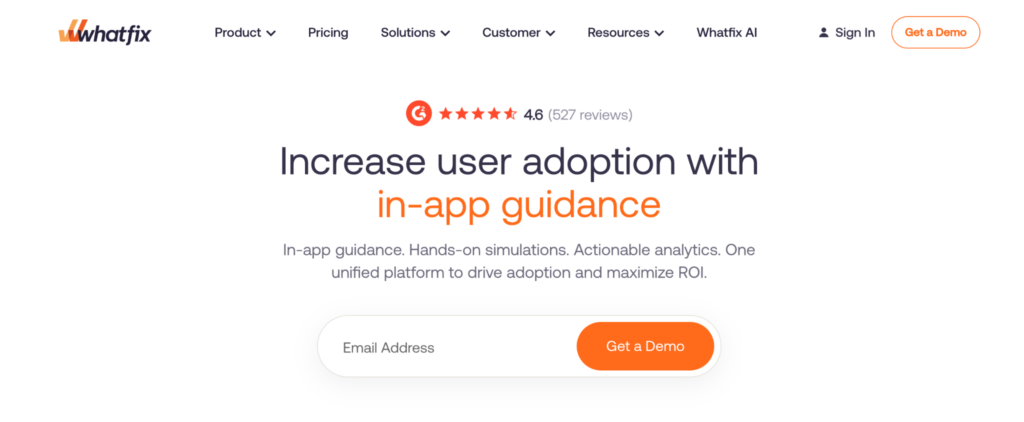
A common weakness of traditional documentation is timing. The guide exists. The employee simply isn’t looking at it when they need it. Whatfix addresses this challenge by delivering guidance directly inside the workflow.
Rather than expecting users to leave the application and search for answers elsewhere, the platform helps surface assistance while tasks are being completed.
That approach can be valuable after software launches, where users are still developing confidence with new processes.
Common applications include:
- ERP adoption
- CRM onboarding
- Process guidance
- Workflow assistance
- Change management
Organizations looking to reduce dependence on support teams often explore this type of embedded guidance.
4. Spekit
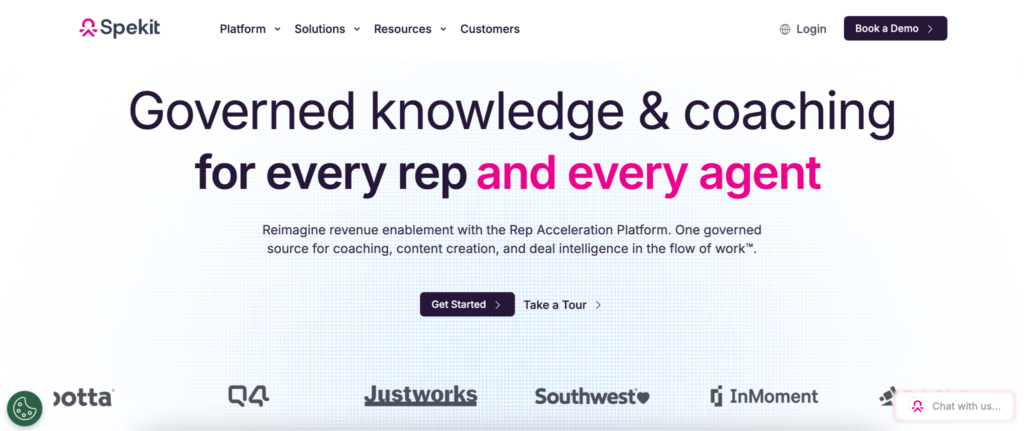
Support tickets sometimes reveal something interesting. The organization already has documentation. Nobody knows where it is. This is where Spekit takes a different approach.
The platform focuses on bringing information closer to the workflow rather than storing it somewhere employees must remember to search.
The model has become popular among revenue operations and customer-facing teams, where employees spend much of their day inside systems such as Salesforce.
Common capabilities include:
- Embedded knowledge delivery
- CRM support
- Process guidance
- Team enablement
- Operational documentation
For organizations struggling with information discoverability rather than information creation, Spekit can be an interesting option.
5. Guidde
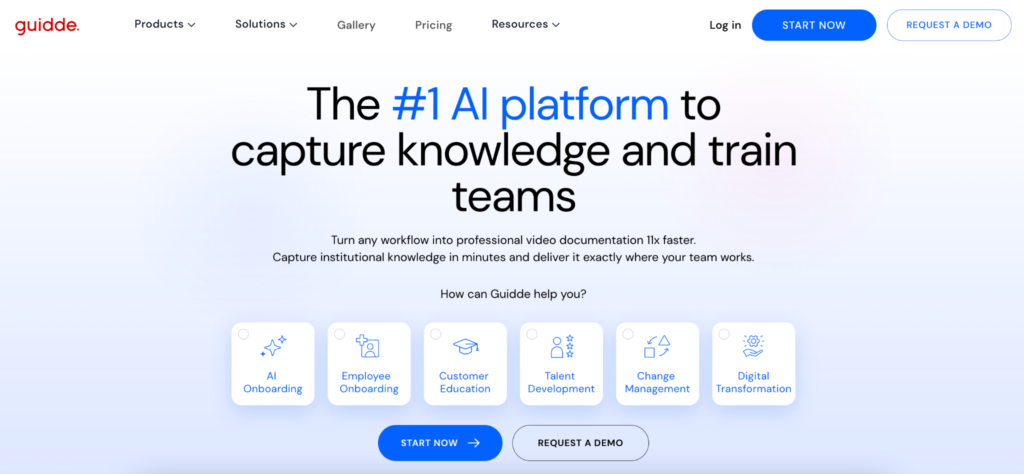
Not every company needs a complex adoption platform after go-live. Sometimes they simply need better documentation.
Guidde focuses on helping teams create visual process guides that can be shared across departments. This can be useful during periods when employees are learning new systems and frequently need reminders about specific workflows.
Many implementation teams discover that support requests follow predictable patterns. The same questions appear repeatedly. The same tasks cause confusion. The same processes generate mistakes.
Clear documentation does not eliminate those issues entirely, but it can significantly reduce them.
6. Stonly
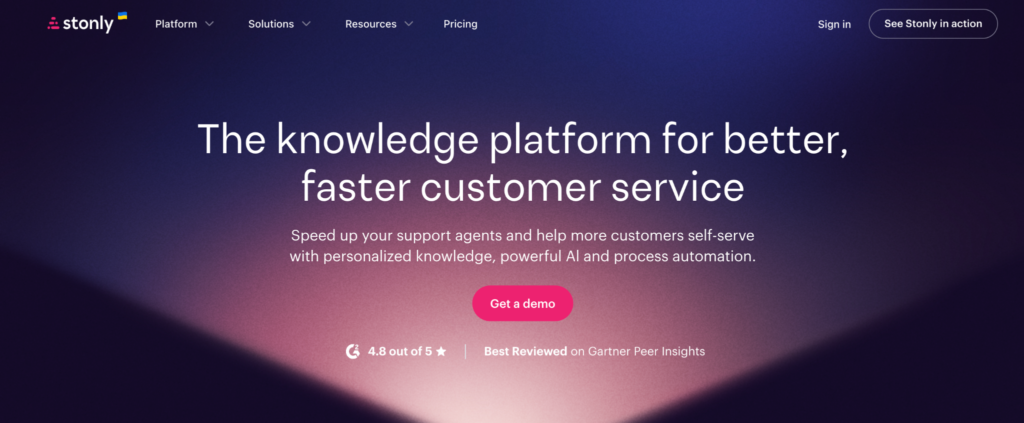
Some support questions are straightforward. Others depend on context. The answer changes depending on customer type, approval status, business rules, or operational requirements.
Static documentation often struggles with that complexity. Stonly focuses on interactive guidance that adapts as users move through a workflow. Instead of reading a fixed guide, employees can follow a path that changes based on their responses.
This makes the platform useful in environments where support questions rarely have one universal answer.
Common use cases include:
- Internal support operations
- Interactive process guidance
- Decision trees
- Knowledge delivery
- Service workflows
For organizations dealing with more variable processes, that flexibility can reduce both confusion and ticket volume.
The Goal Is Not Fewer Questions
At first glance, reducing support requests sounds like the objective. It usually isn’t. The real goal is to help employees solve routine problems independently.
Support teams should spend their time handling unusual situations, not explaining the same workflow for the twentieth time this week.
Organizations that achieve that shift tend to see several things happen at once. Ticket volumes decrease. Process consistency improves. New employees become productive faster. Subject matter experts regain the time they had gradually lost to interruptions. The reduction in support requests is simply the most visible outcome.
What Happens After the Launch Matters Most
Software projects are often judged by implementation milestones. The system goes live. The project closes. The rollout is considered complete.
Employees experience it differently. For them, the project begins when they start using the software.
The platforms above were built around that reality. Some focus on guidance. Others emphasize documentation, analytics, or knowledge delivery. Each offers a different way to bridge the gap between training and real-world usage.
Because the most successful launches are rarely the ones with the fewest issues on day one. They are the ones where users can find answers without opening a support ticket.